
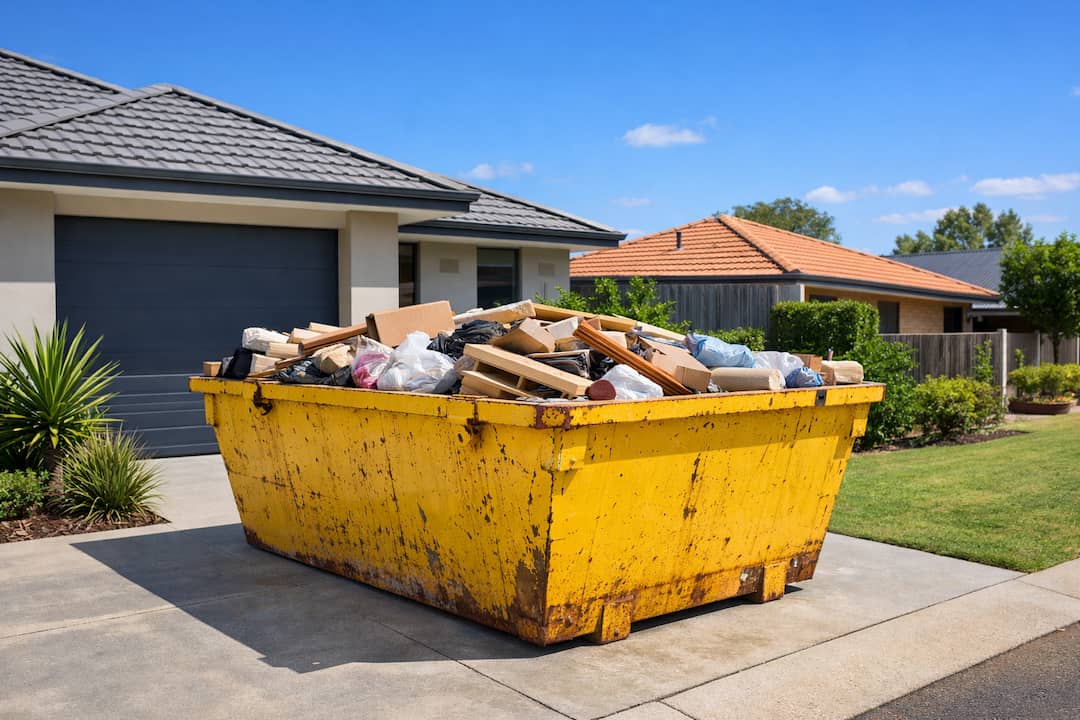
Hiring a skip bin looks straightforward, but small mistakes can quickly lead to extra costs, safety issues, or delays. We see it every week across Perth. The good news is that most of these problems are easy to avoid with a bit of planning and the right advice.
As a family-run, Australian-owned skip bin hire business, we have put together this guide based on real situations we see on household clean-ups, renovations, and garden projects. If you get these basics right, the whole process runs smoothly from delivery through to collection.
Quick Summary
Before hiring a skip bin, avoid these common mistakes:
-
Choosing a bin that is too small or far too large
-
Overfilling the skip bin above the rim
-
Putting restricted or hazardous items in the bin
-
Not planning where the skip bin will be placed
-
Forgetting about council rules
-
Underestimating how heavy waste materials can be
-
Leaving the bin on site longer than needed
-
Loading the bin poorly and wasting space
-
Hiring based on price alone
-
Not asking questions before booking
1. Choosing the Wrong Skip Bin Size
One of the most common mistakes is underestimating how much waste you actually have. A skip bin can look large when it is empty, but it fills quickly once furniture, green waste, or renovation materials start going in.
Choosing a bin that is too small often leads to overfilling, unsafe loading, or the need to organise a second bin. Hiring a bin that is far too large can also mean paying more than necessary. If you are unsure, our guide on choosing the right skip bin size can help you work out what suits your job before you book.
Getting the size right from the start helps avoid delays, additional costs, and unnecessary stress.
2. Overfilling the Skip Bin
Overfilling a skip bin is a frequent issue, especially when people try to squeeze in just one last item. If waste is stacked above the rim, the bin cannot be transported safely. This may delay collection and can result in extra charges.
An overfilled bin also creates safety risks during transport, as loose materials can fall out onto the road. For this reason, skip bins must always be filled level with the top edge, not higher. Our article on why you shouldn’t overfill your skip bin explains these risks in more detail and helps you avoid common problems.
Stopping before the bin reaches this point keeps the process safe and avoids issues at pickup time.
3. Putting the Wrong Waste in the Bin
Another common mistake is assuming everything can go into a skip bin. Certain items are restricted or require special handling, and placing them in a standard bin can lead to rejected collections or extra fees. If you are unsure, it is always worth checking what can go in a skip bin before you start loading.
Items such as chemicals, paint, asbestos, batteries, liquids, and some electronic waste are not permitted. Heavy materials like soil, bricks, and concrete may also require specific bin types or weight limits.
Sorting waste before loading and understanding what is allowed helps prevent delays and ensures the bin can be collected as scheduled.
4. Not Planning Where the Skip Bin Will Go
Many people focus on the bin size and forget to plan where the skip bin will actually be placed. This often causes issues on delivery day if access is restricted, the ground is uneven, or the location blocks driveways or footpaths.
A skip bin should be placed on firm, level ground with clear access for the delivery truck. Poor placement can result in delays or the need to reposition the bin, which is not always easy once it has been dropped off. Our guide on the do’s and don’ts of skip bin placement covers the key things to think about before delivery.
Planning placement in advance helps ensure a smooth delivery and avoids unnecessary disruption.
5. Forgetting About Council Rules
Council requirements are often overlooked, particularly when a skip bin needs to be placed on a verge, footpath, or road. In some areas, permits are required for bins in public spaces, and it is important to understand can skip bins be left on the road in your location.
Failing to organise this in advance can lead to fines, complaints, or having the bin removed before your clean-up is complete. Council rules vary across Perth, which is why planning ahead is essential.
Understanding these requirements early helps avoid interruptions to your project.
6. Underestimating the Weight of Your Waste
A skip bin can appear half full and still exceed its weight limit. This is especially common when disposing of heavy materials such as soil, sand, bricks, concrete, or tiles.
Weight limits are in place for safety reasons and to protect vehicles and equipment. Exceeding these limits can result in additional charges or the need to remove materials before collection.
Considering both volume and weight when choosing a bin helps prevent this issue.
7. Leaving the Skip Bin On Site for Too Long
Another mistake is assuming a skip bin can stay on site indefinitely. Standard hire periods are set to keep deliveries and collections running smoothly, especially during busy periods.
Leaving a bin on site for too long can block access, inconvenience neighbours, or create safety concerns. It can also affect scheduling for other customers.
Planning your clean-up timeline in advance helps ensure the bin is collected on time without complications.
8. Not Loading the Skip Bin Properly
Poor loading is an easy way to waste space. Throwing items in without thought often creates air gaps, uneven loads, and unused capacity.
Breaking down large items, placing flat materials at the bottom, and filling gaps as you go helps maximise space and reduces the risk of overfilling. Proper loading also improves safety and ensures the bin can be transported without issue.
A few extra minutes of care when loading can make a noticeable difference.
9. Hiring Based on Price Alone
Choosing a skip bin provider based only on price can lead to problems later. Low upfront pricing may not include weight limits, extended hire periods, or additional charges for certain waste types. Understanding how much it costs to hire a skip bin helps avoid surprises and makes it easier to compare services fairly.
A lack of transparency can result in unexpected costs or confusion about what is included. Clear pricing and communication help ensure the service runs as expected.
Value comes from reliability, honesty, and knowing what you are paying for upfront.
10. Not Asking Questions Before Booking
Many skip bin issues could be avoided by asking a few simple questions before booking. Uncertainty around bin size, waste types, placement, weight limits, and hire duration often leads to preventable mistakes.
Taking the time to clarify these details helps ensure the right bin is delivered and collected without issues. Clear communication at the start sets the foundation for a smooth experience.
Hire a Skip Bin with Confidence
Most skip bin hire problems are avoidable with the right preparation. Choosing the correct size, understanding weight limits, planning placement, and knowing what can go in the bin all help keep your project on track.
When you have clear information and realistic expectations, skip bin hire becomes a simple and stress-free part of your clean-up, renovation, or garden project.
If you are planning a household clean-up or renovation and need reliable domestic skip bin hire, call us anytime or book online. We are always willing to be on the phone and discuss matters with you. Rest assured that we will help you choose the right skip bin and take care of it for you from delivery through to collection.

Backyard Bins Team
“ [rcblock id="2165"]”